
Siding Finishes Built to Outlast Surface Failure
Exterior painting in Vernonia for siding, trim, and surfaces showing peeling, cracking, or moisture damage
Peeling and bubbling exterior paint on siding and trim is almost always a preparation failure, not a product failure. Caballero General Construction, LLC performs exterior painting in Vernonia with a process built around surface prep, moisture-resistant product selection, and finish application that holds where previous coats have failed. Homes in this region that haven't had exterior surfaces properly primed and sealed tend to show paint failure within two to three seasons, often starting at trim edges and horizontal surfaces where moisture sits longest.
The process includes help selecting a paint formulated specifically for the moisture exposure and temperature cycling common to the Willamette Valley, where siding is subjected to repeated wetting and drying that breaks down standard exterior coatings faster than in drier climates. Surface preparation, priming, and finish coats are all included in the scope. Clients are asked to provide ladder access and protect landscaping before work begins, so the crew can move efficiently without stopping to relocate obstacles.
Arrange an on-site review with Caballero General Construction, LLC to assess your siding condition and determine what prep work the surfaces actually require..
Why Moisture-Resistant Product Selection Matters Here
Not all exterior paints are formulated to handle repeated moisture exposure at the same level. Paints rated for high-humidity and moisture-cycling environments use film-forming resins that remain flexible as surfaces expand and contract, rather than becoming brittle and cracking at joints and nail holes. Selecting the wrong product—even applying it correctly—leads to the same failure pattern homeowners have already experienced with previous coats. Caballero General Construction, LLC brings 17 years of exterior painting work to product selection, including specific knowledge of how paint performs on wood siding and trim common to residential construction in this part of Oregon.
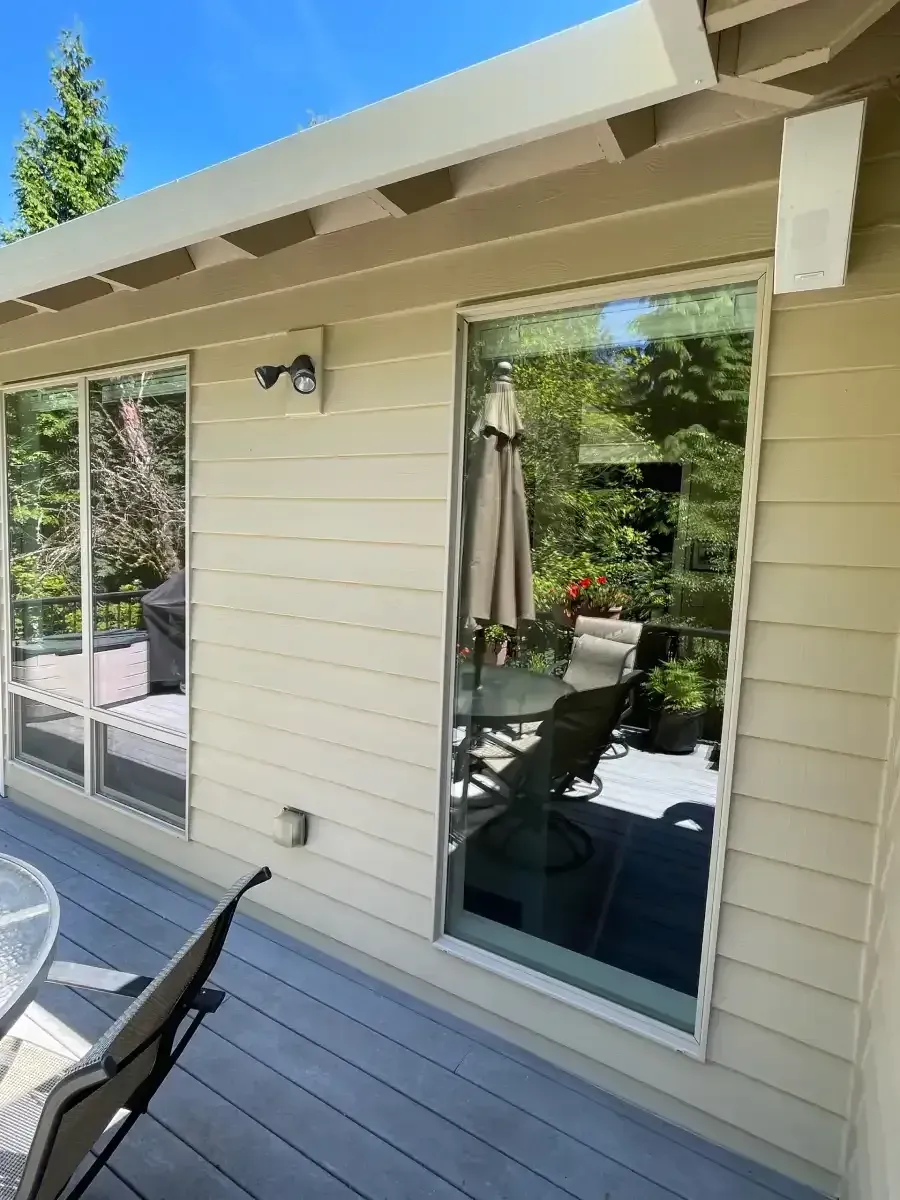
After the project is complete, siding surfaces will show a uniform finish with no visible lap marks, and trim edges will have clean transitions with no lifting or pulling at corners. Surfaces that previously showed chalking or fading from UV exposure will read evenly under daylight without the mottled look that comes from painting over a deteriorated previous coat without adequate prep. All exterior work is covered by a two-year warranty with no-cost callbacks.
The condition of the existing paint layer affects how much surface preparation is needed before new coats go on. Surfaces with heavy chalking, deep cracking, or adhesion failure require more extensive prep than surfaces that are structurally sound but faded. The assessment at the start of the project determines which category your siding falls into and scopes the work accordingly.
What Property Owners Ask About Exterior Painting
The questions below focus on how exterior painting work is performed, how product and prep decisions are made, and what the finished surface should look like—relevant for any residential property in Vernonia with wood or composite siding.
What surface conditions require primer before the finish coat?
Any surface with bare wood, sanded areas, previous paint failure, or exposed knots requires primer to seal the substrate and give the finish coat a stable base to bond to. Painting directly over a failing or porous surface without primer is the primary reason exterior paint fails prematurely at trim and siding edges.
How is paint product selected for exterior work in this area?
Product selection accounts for the moisture exposure, temperature range, and substrate material specific to your siding. For wood siding common in Vernonia residential construction, a 100-percent acrylic formula with a flexible resin base is typically appropriate because it handles the expansion and contraction cycles without cracking at seams and nail holes.
What does proper prep work include before exterior painting begins?
Prep includes washing the surface to remove chalk, dirt, and loose material, scraping and sanding any areas where old paint is lifting or cracking, spot-priming bare sections, and caulking gaps at trim joints and penetrations before any finish coat is applied. Skipping caulking at penetrations is a common shortcut that allows moisture entry behind the paint film and causes early failure at exactly those spots.
When should exterior painting be scheduled relative to other exterior work?
Exterior painting should follow any trim repairs, rot replacement, or caulking work so the new paint seals over the repaired surfaces rather than being applied before those repairs are made. Painting before repairs are complete means cutting and exposing substrate again, which requires re-priming and touch-up coats to restore the seal.
What should you look for to confirm quality in finished exterior work?
Check for consistent sheen across all siding panels with no lap marks where wet and dry edges met during application, fully sealed trim corners with no open gaps, and clean paint lines at windows and doors with no bleed onto glass or hardware. Any raised edges or bubbles in the film indicate adhesion failure under the new coat, which typically means inadequate prep on that section.
Caballero General Construction, LLC is family-owned, licensed, and insured, with a two-year warranty and no-cost callbacks on all exterior painting work. Caballero General Construction, LLC also performs exterior painting in Hillsboro, Beaverton, Portland, Tigard, and Lake Oswego. Call (971) 344-4646 to set up a surface assessment and go over product options for your siding and trim.