
Walls That Hold a Clean Finish Long-Term
Interior painting in Vernonia for walls with damage, uneven surfaces, or failing previous coats
Caballero General Construction, LLC handles interior painting in Vernonia with a process that starts at the wall surface itself, not the paint can. Older residential properties in the area commonly show patchy drywall, uneven compound work, and seams that telegraph through finish coats when prep is skipped. The result is visible failure within a season or two—lines, bubbling, or lifting edges that require repainting far sooner than they should.
Every interior project begins with a room-by-room wall assessment to identify what repair and priming work is required before any finish coat is applied. Damaged surfaces are repaired on-site, primer is applied where the substrate needs it, and finish coats are back rolled across all surfaces to build film thickness and durability rather than leaving a thin, brush-only application. The price includes surface preparation, primer, and paint; clients provide access and clear furniture away from walls before work begins.
To get a clear picture of what your walls need before painting begins, schedule a room assessment with Caballero General Construction, LLC.
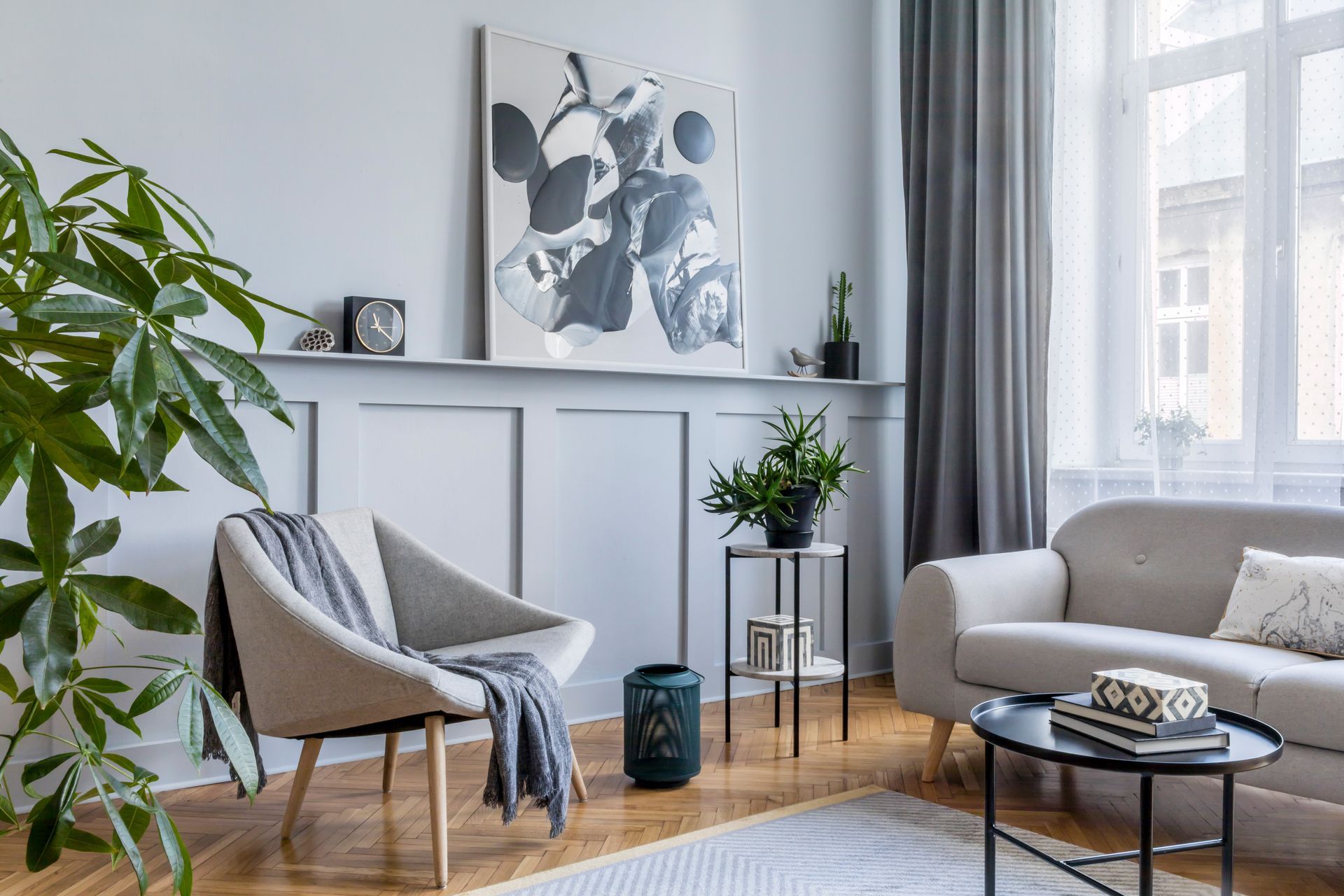
How Proper Prep Changes What Paint Actually Does
Back rolling after brush or roller application is a technique that forces paint into the surface texture rather than sitting on top of it, which directly affects how long the finish lasts before it begins to fail. On walls with repaired patches, back rolling also blends the repair zones into the surrounding surface so the texture reads consistently under raking light. Skipping this step is one of the most common reasons painted walls develop a patchy, uneven sheen within the first year.
Once the work is complete, you'll notice a consistent sheen across patched and unpatched areas, with no seam lines or high spots catching light differently. Edges at trim, ceilings, and doors are cut cleanly without bleed, and the surface holds color uniformly without the thin, washed-out look that comes from single-coat application on an unprimed wall. All work is backed by a two-year warranty with no-cost callbacks if any finish issue develops.
Interior painting at this level requires that wall repairs be fully cured and sanded flush before primer is applied—rushing that sequence leaves the repair visible under the finish regardless of how many coats go on top. Clients should also plan for furniture to remain away from walls until the final coat has cured, typically 24 to 48 hours depending on the product used.
Common Questions About Interior Painting Work
The questions below address how interior painting is actually performed, what the process involves, and what to look for in finished work—particularly in homes where walls have existing damage or uneven surfaces.
What happens during the wall assessment before painting begins?
The assessment identifies areas with surface damage, compound patches, texture inconsistencies, or previous paint failure that need to be addressed before finish coats are applied. Skipping this step leads to visible seams and early paint failure, particularly in homes with older or repeatedly repaired drywall.
How does back rolling differ from standard roller application?
Back rolling involves running a dry or lightly loaded roller back over a freshly applied coat to push paint into the surface rather than letting it sit on top. This builds a thicker, more durable film and is especially important on repaired surfaces where texture variation would otherwise show through.
When is primer required rather than optional?
Primer is required on any surface that has been repaired, sanded, or exposed to bare drywall compound, because those areas absorb paint unevenly and produce dull spots or color variation in the finish. In Vernonia homes with patchy or repeatedly repaired walls, primer application across the full surface is often the only way to achieve a consistent sheen.
What should you check in finished interior painting to confirm quality?
Look for consistent sheen across the entire wall under both direct and raking light, clean edges at all trim and ceiling transitions, and no visible seams or buildup lines where patches were made. Any cloudy or dull patches typically indicate bare compound that was not primed before the finish coat.
Why does wall repair need to be completed before painting rather than alongside it?
Compound and patching materials require full curing before they can be sanded flush and accept primer evenly. Painting over uncured repairs traps moisture in the wall and produces shrinkage cracks in the finish coat as the compound continues to dry underneath.
Caballero General Construction, LLC is a family-owned, licensed, and insured contractor with 17 years in the painting trade and a two-year warranty on all interior work. Caballero General Construction, LLC also performs interior painting in Hillsboro, Beaverton, Portland, Tigard, and Lake Oswego. To start with a wall assessment and scope review for your project, call (971) 344-4646.